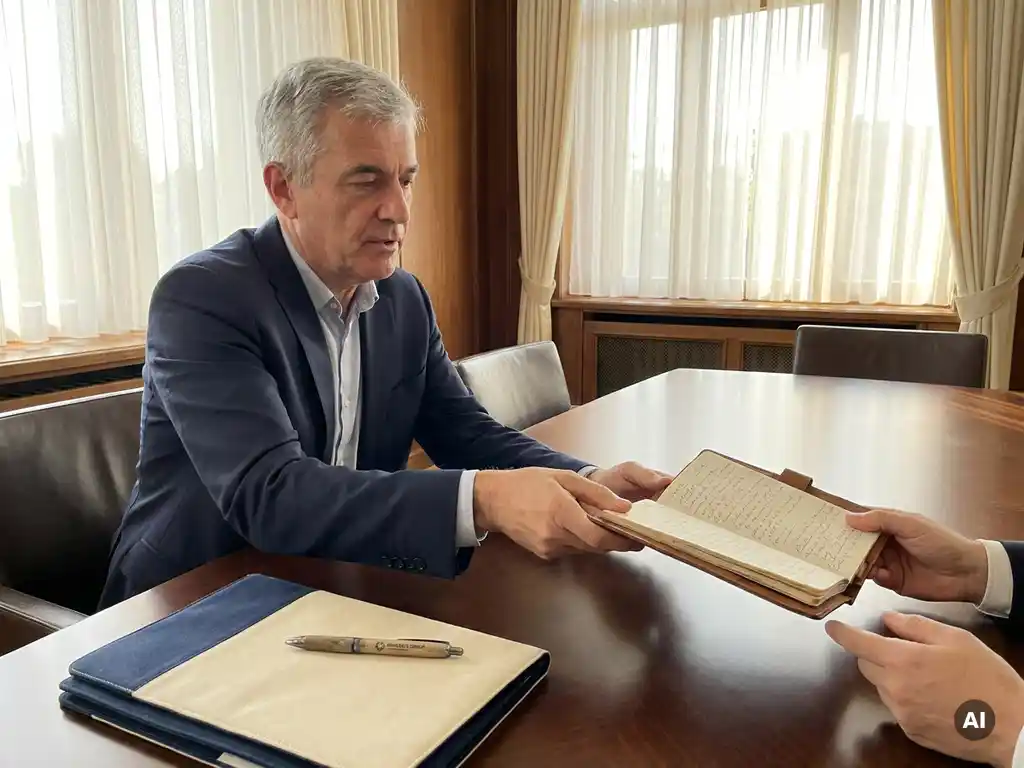
Effective knowledge transfer after interim management doesn’t begin at the end of an assignment, but at the very start. The interim manager continuously documents their approach, decisions, and insights, so that the internal team is fully brought up to speed by the time of handover. How to organize this in practice and who plays which role is outlined below.
What are the biggest risks when knowledge transfer fails?
When knowledge transfer after an interim assignment fails, valuable insights, built-up relationships, and process knowledge leave the organization along with the interim manager. The internal team then faces the same challenges as before, without the tools or understanding to resolve them independently. The investment in the interim assignment then yields insufficient returns.
The most common risks are:
- Loss of process insight: decisions made during the assignment are not documented and therefore cannot be reproduced
- Dependency on the individual: the team knows what was done, but not why or how
- Delays in succession: a new manager or colleague has to reinvent the wheel
- Loss of stakeholder relationships: external contacts built up by the interim manager are lost if no handover takes place
- Regression to old patterns: without embedding changes, an organization quickly reverts to the situation before the assignment
Knowledge retention after interim management is therefore not merely an administrative step — it is a prerequisite for lasting results.
When should you start knowledge transfer during an interim assignment?
You begin knowledge transfer on day one of the assignment, not in the final week. An interim manager who documents, reflects, and involves the internal team in their approach from the very start ensures a handover that unfolds organically rather than in a rush.
In concrete terms, this means:
- In the first phase of the assignment: record the starting situation, including bottlenecks, stakeholders, and priorities
- On an ongoing basis: note decisions and the reasoning behind them in a centrally accessible document
- In the middle phase: actively involve internal staff in projects so they understand the context
- In the closing phase: schedule formal handover moments and verify that knowledge has genuinely been transferred
Organizations that deploy interim management for critical transitions benefit most when the handover structure is agreed upon during the initial briefing.
How do you document knowledge in a way that remains usable?
Usable documentation is concrete, structured, and accessible to people who were not present for the context. A good handover report describes not only what was done, but also why certain choices were made and what the next steps are. This ensures knowledge is retained within the organization, even after the interim manager has left.
Guidelines for effective documentation:
- Use a fixed structure: situation overview, approach, results, outstanding items
- Write for a reader without prior knowledge; avoid jargon known only to the interim manager
- Record decisions including the considerations that preceded them
- Store documents in a location the internal team actually uses, not in a personal folder
- Create a concise summary alongside the full report, so that busy managers can also quickly find the key points
Documentation is only useful if the team actually works with it. Involve internal staff in drafting it, so they are already familiar with the content before the formal handover takes place.
Who is responsible for effective knowledge transfer?
Responsibility for effective knowledge transfer lies with both the interim manager and the client. The interim manager is responsible for capturing and sharing knowledge; the client is responsible for creating the structure and time to make that possible. Knowledge transfer is a shared interest, not the task of one party alone.
In practice, this means a clear division of responsibilities:
- The interim manager: documents continuously, communicates transparently, and actively prepares the team for the handover
- The client or HR manager: monitors the handover planning, makes time available, and ensures the right people are present at handover meetings
- The internal team: participates actively, asks questions, and validates whether the transferred knowledge aligns with their own experience
If none of these parties takes the lead, a situation arises where everyone assumes the other will handle it. Therefore, agree on responsibilities explicitly at the start of the assignment.
How do you ensure the internal team truly absorbs the knowledge?
Transferring knowledge to an organization goes beyond delivering a document. The internal team only truly absorbs knowledge when they actively engage with it during the assignment, not just after it ends. Involvement and repetition are the most effective mechanisms for this.
Practical ways to promote knowledge absorption:
- Have internal staff participate in projects led by the interim manager, so they learn the approach from the inside
- Organize interim feedback sessions where the team discusses progress and asks questions
- Use the handover period for joint working sessions rather than one-sided presentations
- Designate an internal point of contact who actively manages the knowledge and makes it available to colleagues
- Schedule an evaluation moment three to six months after the assignment ends to assess whether the knowledge is also being applied in practice
Knowledge retention after interim management is a process that continues after the interim manager’s departure. Ensure the internal team knows who they can turn to when questions arise.
What is the client’s role in a successful handover?
The client largely determines whether a knowledge transfer succeeds or fails. By treating the handover as a formal part of the assignment — with its own time, budget, and milestones — the client signals that knowledge retention is just as important as the substantive results of the interim assignment.
Concrete actions for the client:
- Include handover agreements in the assignment description and the contract
- Schedule handover meetings not in the very last week, but spread across the closing phase
- Ensure the right internal people are available and involved in the handover
- Evaluate after the assignment whether the handover was complete and usable, and provide the interim manager with feedback
- If the client embeds the handover structurally, this also strengthens collaboration in future interim assignments
How we help you with knowledge transfer after interim management
An interim assignment only delivers lasting results when the knowledge built up is truly embedded within the organization. We guide that process from start to finish:
- We select interim managers with demonstrable experience in structured knowledge transfer
- At the start of every assignment, we align on how the handover will be structured and who is responsible for it
- We support both the client and the interim professional throughout the entire assignment
- We ensure a match that is not only strong in terms of content, but also fits the culture and team of your organization
Want to know how we can support your organization in an interim trajectory where knowledge retention is central? Contact us and we’ll discuss together what your situation requires.

